

Unveiling Morrigan: Discover the Goddess of War, Fate, and Witchcraft
- Laura Wash
- 2 days ago
- 4 min read

The Morrigan is one of the most fascinating and complex figures in Celtic mythology. Known as a goddess of war, fate, and magic, she holds a powerful place in the spiritual and magical traditions of many witches and pagans today. But who exactly is Morrigan? What does she represent? How can you honor her in your practice? This post explores her origins, symbolism, worship methods, and her role in witchcraft, while also addressing common misunderstandings about her.
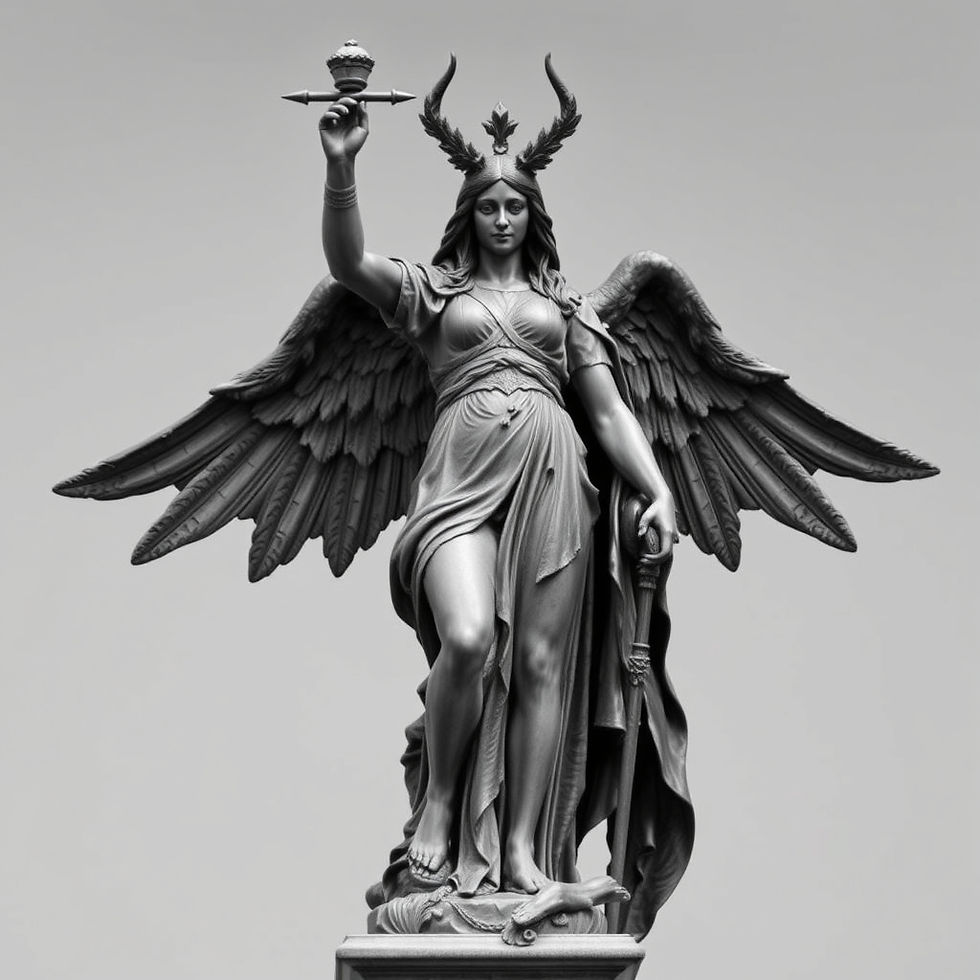
Who Is Morrigan?
Morrigan, sometimes spelled Mórrígan or Morrígu, is a figure from Irish mythology often described as a goddess of war, fate, and death. She is part of the Tuatha Dé Danann, a supernatural race in Irish lore. Morrigan is frequently depicted as a shape-shifter who can appear as a crow or raven, animals closely associated with battlefields and prophecy.
Her name is often translated as "Great Queen" or "Phantom Queen," reflecting her commanding presence and mysterious nature. Morrigan is sometimes considered a triple goddess, embodying three aspects or sisters: Badb, Macha, and Nemain. Each represents different facets of war, sovereignty, and fate.
What Does Morrigan Stand For?
Morrigan’s symbolism is rich and multifaceted. She stands for:
War and Battle: Morrigan is a fierce warrior goddess who influences the outcome of battles. She can inspire warriors or bring doom to those she opposes.
Fate and Prophecy: She controls destiny and often appears as a harbinger of death or change, especially in times of conflict.
Transformation and Magic: As a shape-shifter, Morrigan embodies change and the power of transformation. She is deeply connected to witchcraft and magical practices.
Sovereignty and Power: Morrigan represents the authority of the land and the right to rule, often linked to kingship and leadership.
Death and Rebirth: She is associated with the cycle of life and death, guiding souls and overseeing transitions.
How to Worship Morrigan
Worshiping Morrigan involves respect, dedication, and understanding of her complex nature. Here are some ways to honor her:
Create an Altar: Use symbols like ravens, crows, swords, shields, or images of battlefields. Dark colors such as black, deep red, and purple resonate with her energy.
Offerings: Traditional offerings include red wine, mead, blackberries, or iron objects. These represent blood, battle, and strength.
Prayer and Invocation: Speak to Morrigan with respect, asking for guidance in courage, protection, or insight into fate.
Meditation and Visualization: Visualize Morrigan as a raven or warrior queen. Connect with her energy to gain clarity on difficult decisions or to embrace transformation.
Celebrate Her Festivals: Honoring Morrigan during Samhain or other Celtic festivals aligns with her connection to death and the spirit world.
How to Use Morrigan in Witchcraft
Morrigan’s energy is powerful for witches who work with war magic, protection, divination, and transformation. Here are practical ways to incorporate her into your craft:
Protection Spells: Invoke Morrigan’s strength to shield yourself or your space from harm.
Divination: Use raven feathers or crow bones as tools to connect with her prophetic powers.
Battle Magic: Whether facing personal challenges or external conflicts, call on Morrigan to empower your courage and strategy.
Transformation Rituals: Work with Morrigan to release old patterns and embrace new beginnings.
Shadow Work: Morrigan helps confront fears and hidden parts of the self, guiding through dark times with wisdom.
What Is Morrigan Associated With?
Morrigan is linked to several symbols and themes that deepen her meaning:
Ravens and Crows: Birds that appear on battlefields, symbolizing death and prophecy.
Iron and Weapons: Tools of war that represent strength and protection.
The Land and Sovereignty: She is connected to the earth and the right to rule it.
The Triple Goddess: As a triad, she embodies the maiden, mother, and crone aspects of womanhood.
Night and Storms: Elements that reflect her mysterious and powerful nature.
What Morrigan Stands for in Witchcraft
In witchcraft, Morrigan is a guide for those who seek power, transformation, and insight into fate. She encourages witches to embrace their inner warrior, face challenges head-on, and accept the cycles of life and death. Morrigan’s presence in rituals can bring clarity, strength, and protection.
Her role is not just about destruction but also about creation through change. She teaches that endings are necessary for new beginnings and that true power comes from understanding and accepting fate.
Common Misunderstandings About Morrigan
Many misunderstand Morrigan as a purely malevolent or destructive figure. This view overlooks her complexity and the balance she represents. Some common misconceptions include:
Morrigan is only a war goddess: While war is a key aspect, she also governs fate, magic, and sovereignty.
She is evil or dark: Morrigan embodies both creation and destruction, light and shadow. She is neither good nor evil but a force of nature.
She is a single goddess: Morrigan is often a triple goddess or a collective of sisters, representing multiple aspects.
She demands blood sacrifice: Modern worship focuses on symbolic offerings and respect, not harmful practices.
Understanding these points helps deepen the connection with Morrigan and honors her true nature.
Final Thoughts
Morrigan remains a powerful figure for those drawn to Celtic mythology and witchcraft. She offers strength, guidance, and transformation to those who seek her. By learning who she is, what she stands for, and how to work with her, you can enrich your spiritual practice and face life’s battles with courage and wisdom.
Whether you are a seasoned witch or new to the path, Morrigan invites you to embrace your power, accept fate’s mysteries, and walk boldly through change.


Comments